AI Prompts for Real Estate Investors
Prompts that produce investment-grade visuals: market dashboards, district maps, comparative infographics.
TL;DR: Real-estate agents who use ChatGPT effectively in 2026 do three things differently from those who don't: they treat prompts as templates (not one-offs), they run the same prompt across multiple listings to build a consistent visual brand, and they use bracketed placeholders so a single prompt produces twenty pieces of content over a year. This page is built around that workflow. Below you'll find a hand-picked subset of the 291-prompt library focused specifically on "ai prompts for real estate investors" — with the realtor-specific use cases, the inputs you need, and a copy-paste version for each.
Why the bracketed-placeholder pattern wins
Most agents who try ChatGPT for the first time hit one of two walls: the prompt is too vague (output looks generic) or too specific (output is a one-off they can't re-use). The solution is the bracketed-placeholder pattern. Every prompt in our library uses it, and you should too: write the prompt once, then on each new listing, just swap the placeholders. Over a year, a single well-written prompt becomes 20–50 pieces of content.
The other thing that separates effective agents from beginners is taste calibration. AI generates options; you choose the one that matches your brand. Generate three to five variations per prompt, pick the strongest, and keep a personal library of your top performers. Re-use those for the next listing — your brand consistency multiplies over time.
Step-by-step: how to use these prompts
- Open ChatGPT (chat.openai.com) and start a new chat. Make sure image generation is enabled (Plus, Pro, or Team plan).
- Browse this page and pick a prompt that fits the task you have in mind.
- Click through to the prompt's dedicated page to see the full realtor-adapted version.
- Copy the prompt and paste it into ChatGPT. Replace every [your X] placeholder with your real details.
- Generate 2–3 variations. Pick the strongest one and post it.
- Save the variation that worked best. Re-use the same prompt for your next listing — adjust the placeholders, keep the structure.
Featured prompts
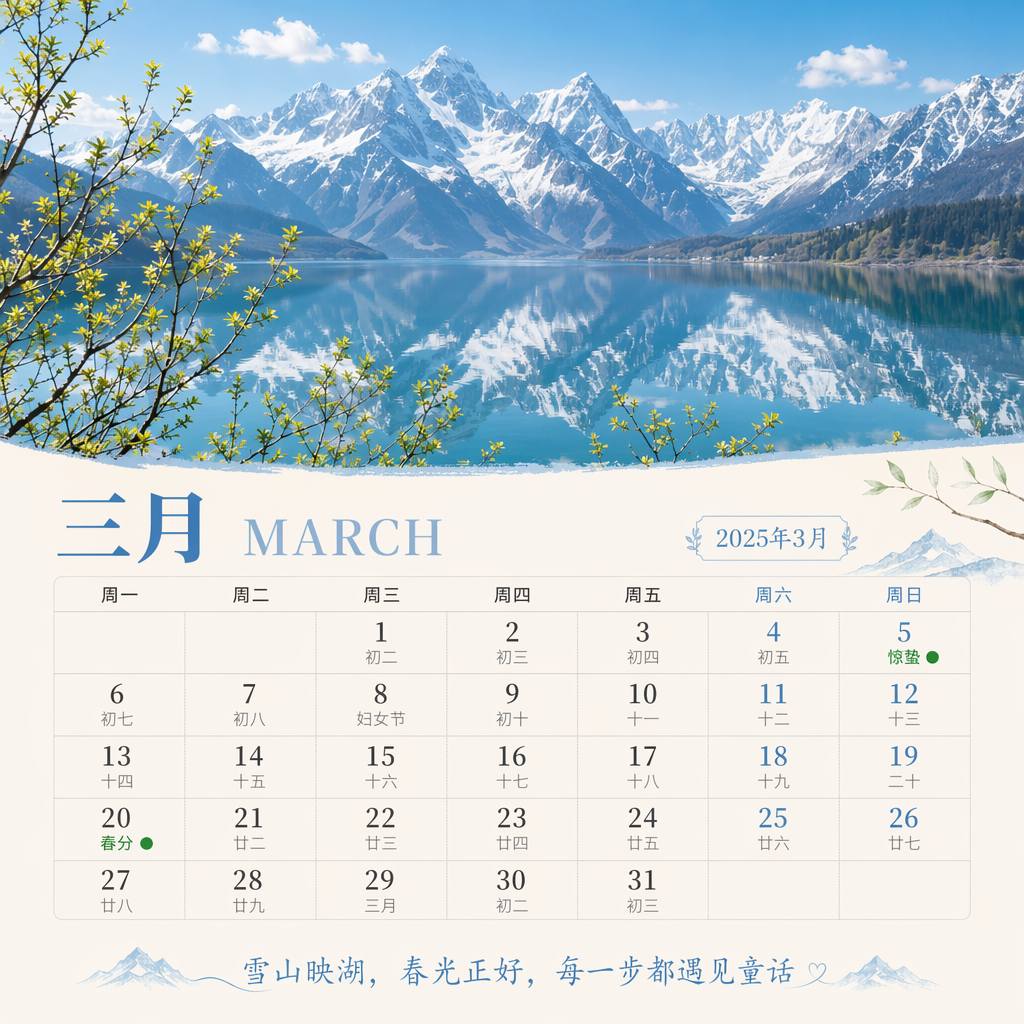
Aesthetic Monthly Market Calendar
Monthly market-update calendar for IG / LinkedIn
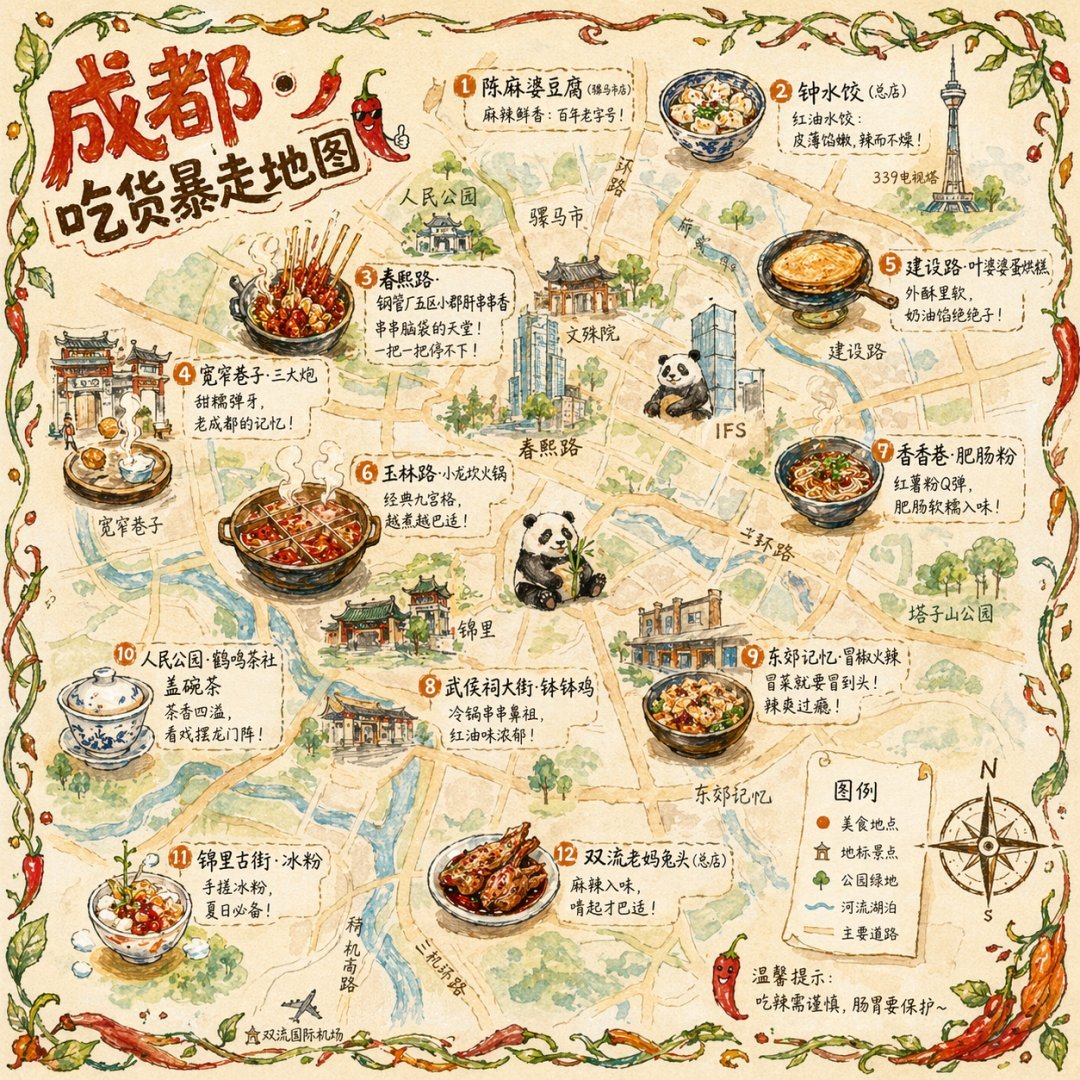
Illustrated City Food Map
Monthly district transaction hot-spots map (IG / LinkedIn)
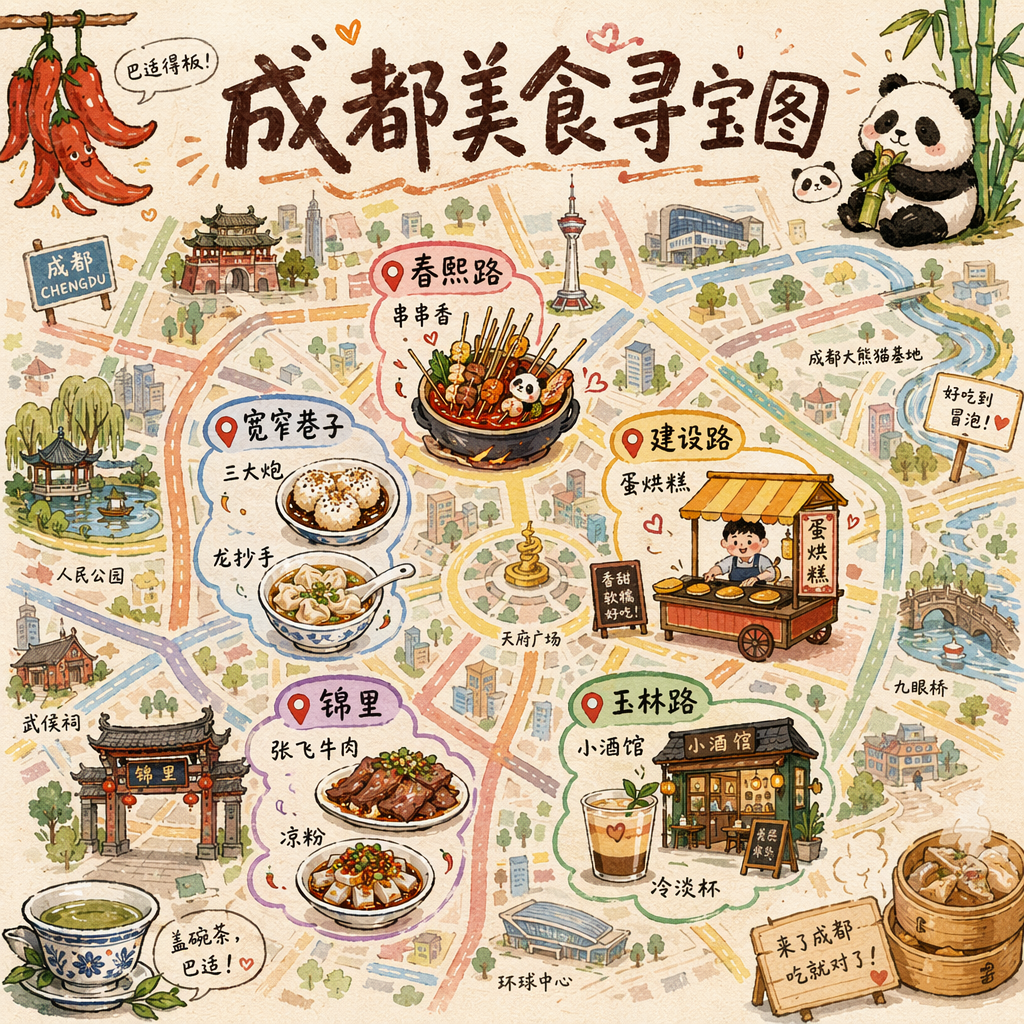
Illustrated District Map
"Best of [district]" buyer guide map

Industry Landscape Infographic
"[District] developers landscape" overview poster
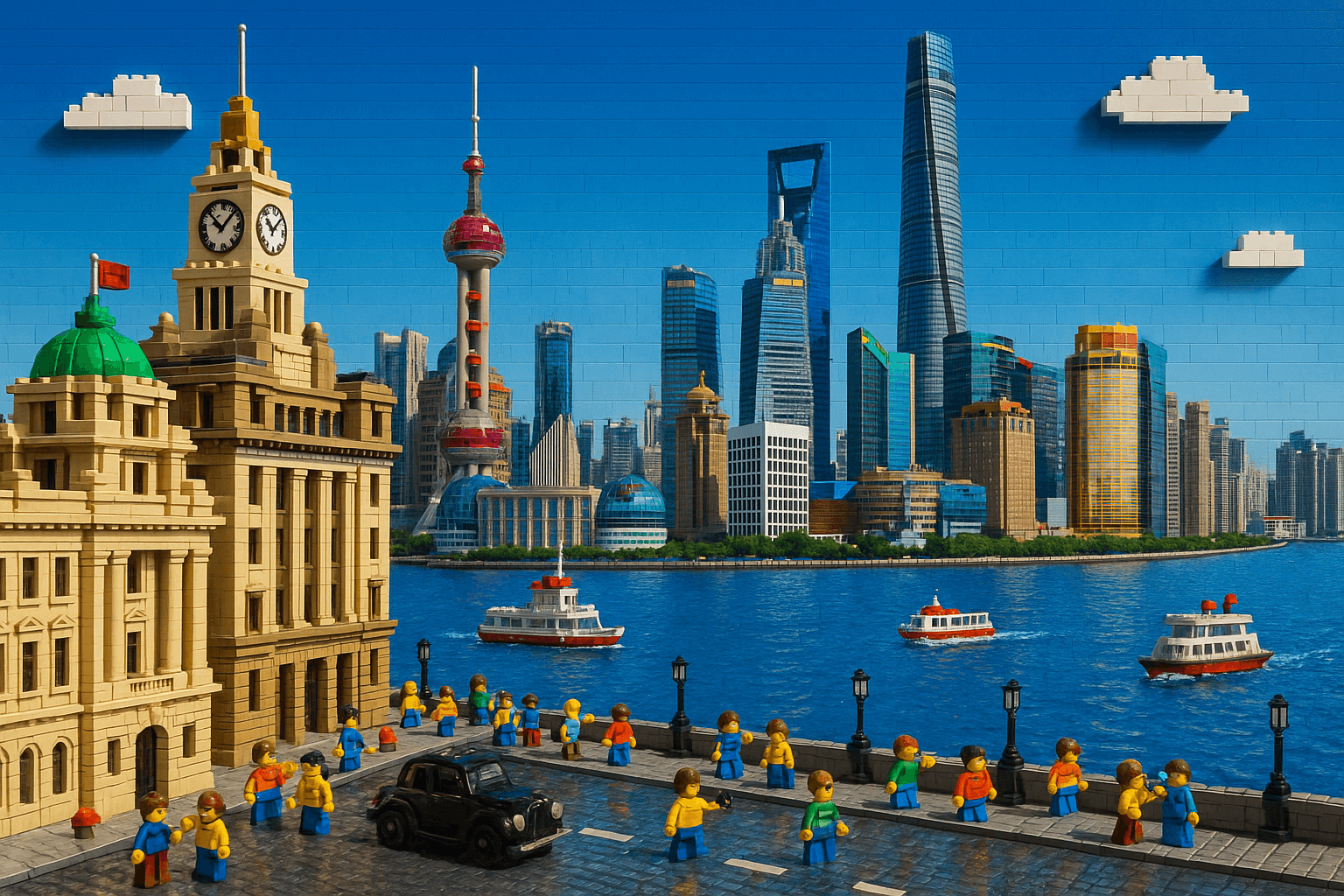
LEGO-Style Cityscape / District Poster
Fun "LEGO version of [district]" share post
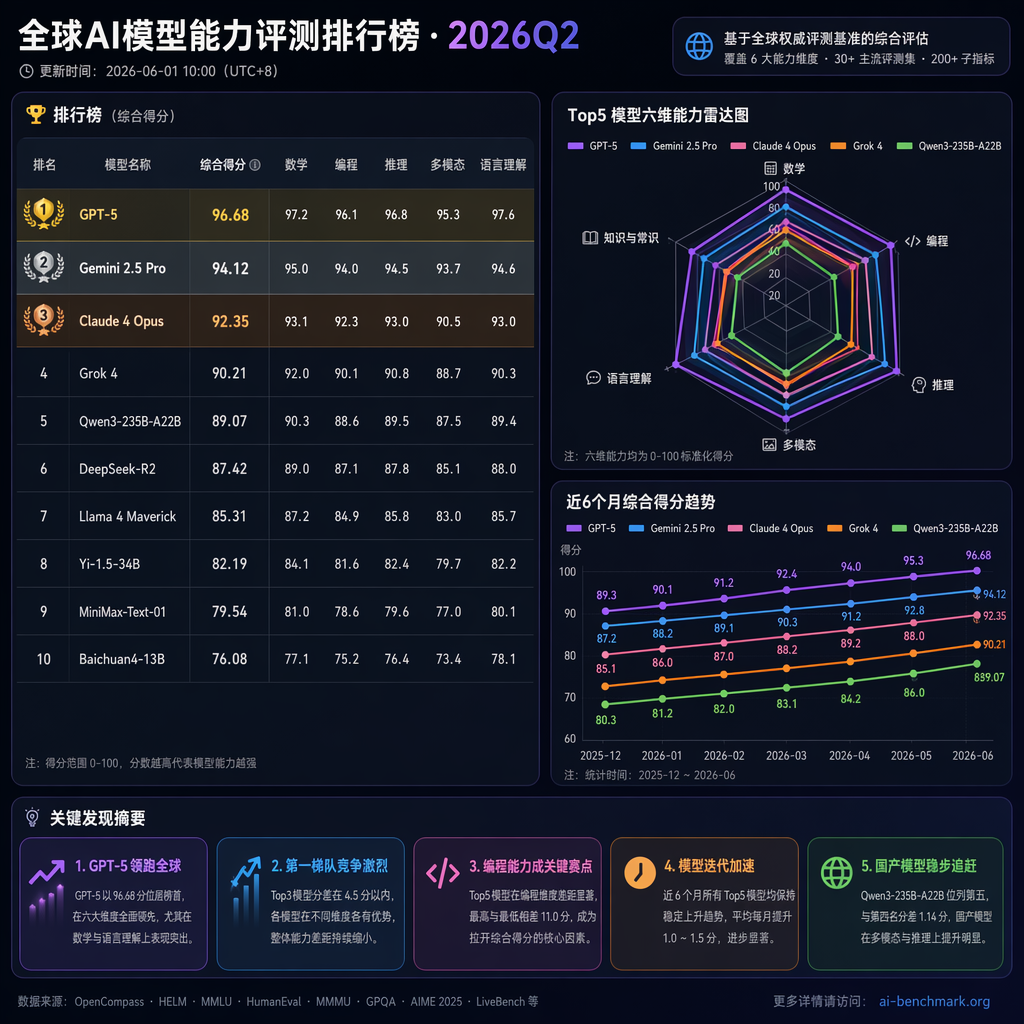
Market Data Dashboard
Quarterly market-data dashboard post
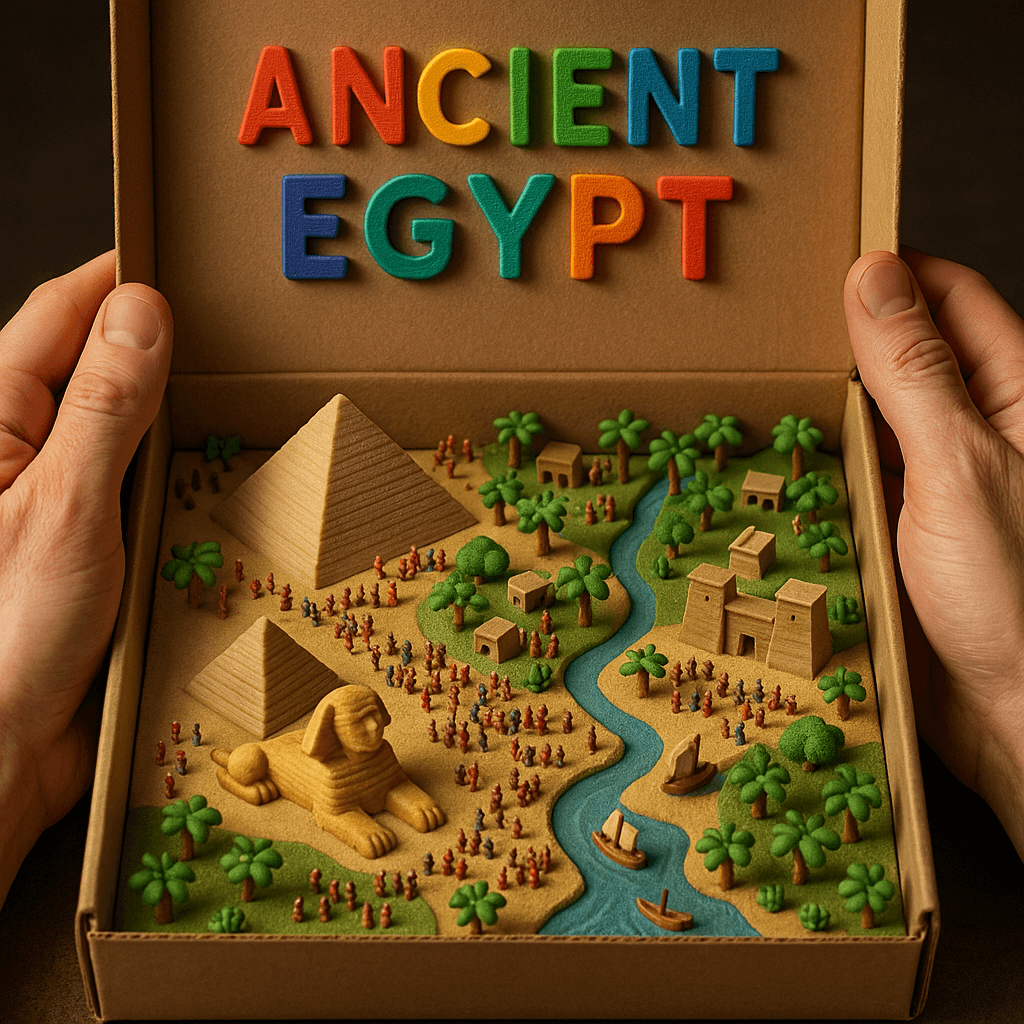
Neighborhood Diorama in a Toy Box
"Welcome to [district]" neighborhood marketing post
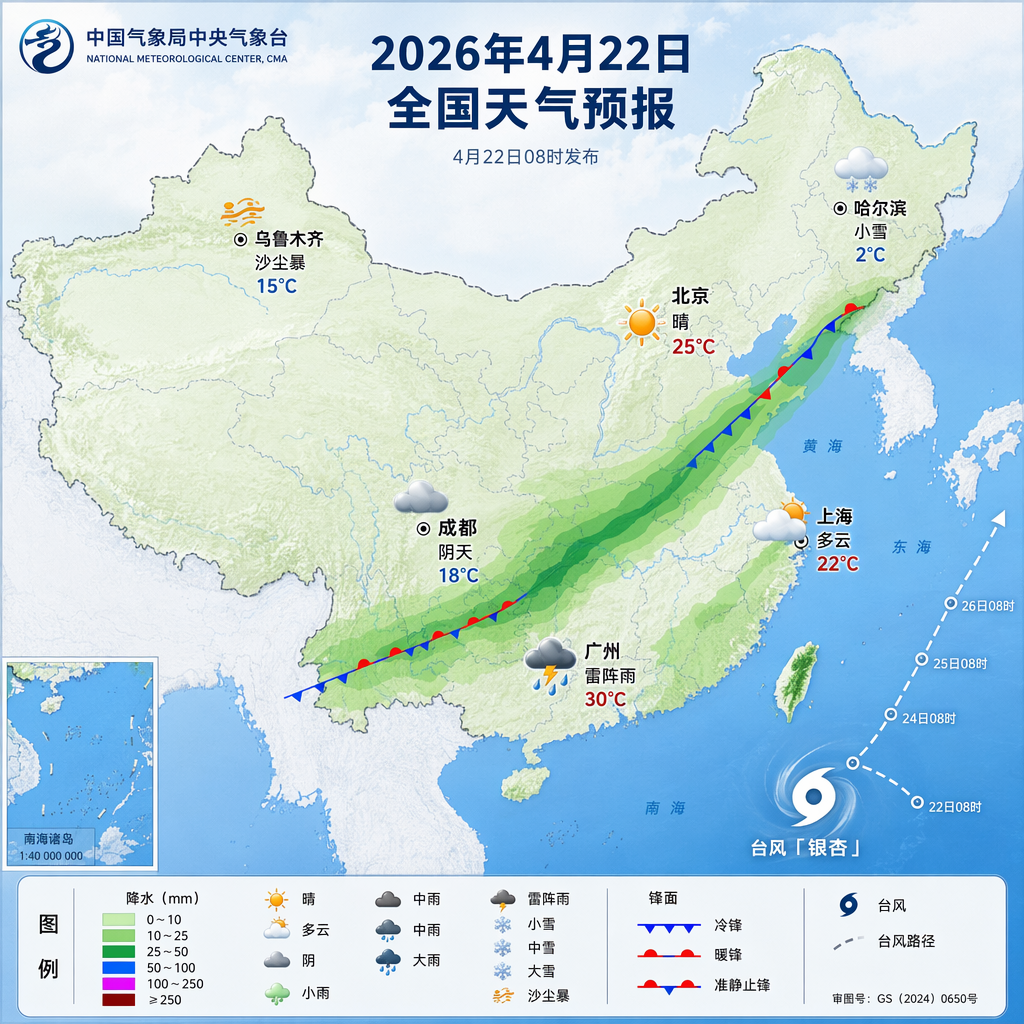
Property Market "Weather" Forecast
Monthly market forecast post

Vector Art Neighborhood Welcome Poster
"Welcome to [Neighborhood]" flyer or social cover
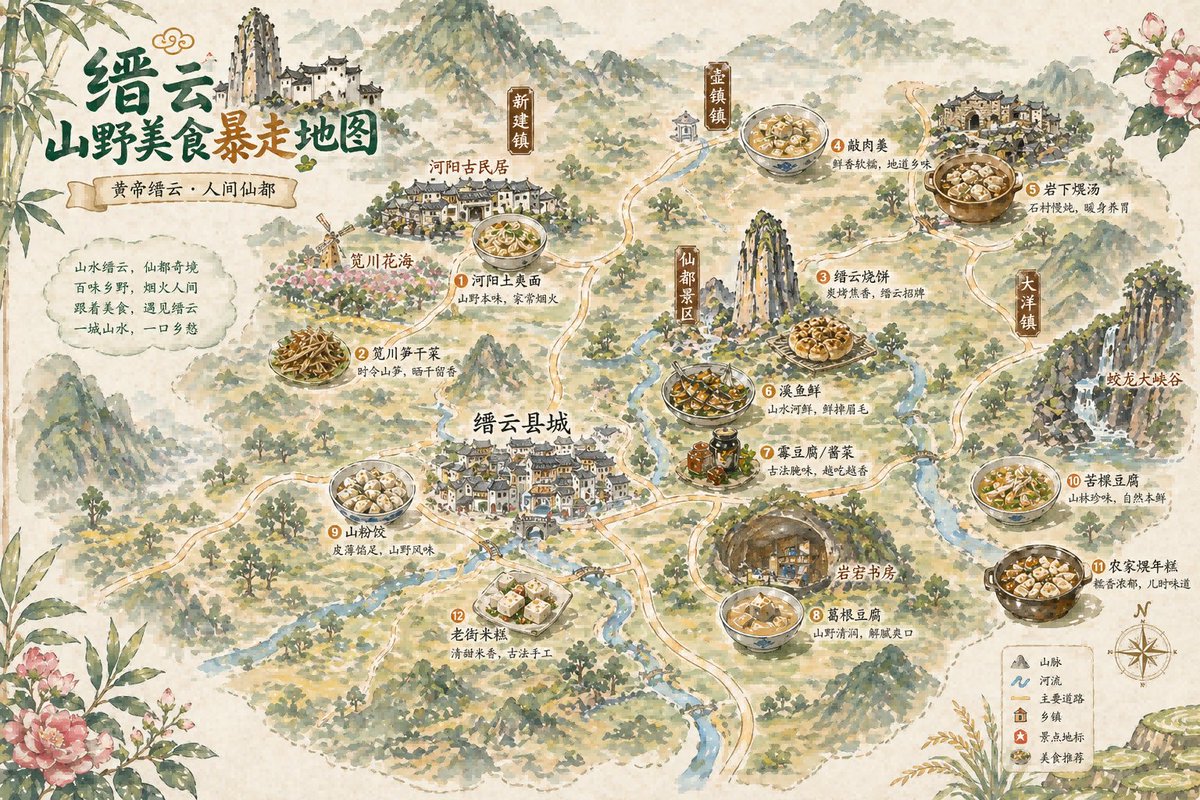
Vintage Chinese Food Map Poster
Quarterly / annual district transactions vintage map
Frequently asked questions
How do I get started with ai prompts for real estate investors?
Pick one prompt from the list below, copy it into ChatGPT, replace the bracketed placeholders, and post the result. The hardest step is the first one; everything after that is repetition.
Do I need a paid ChatGPT plan?
Yes — image generation requires ChatGPT Plus ($20/mo), Pro, Team, or Business. Free users get GPT-4o image which is closely related but slightly less capable for complex layouts.
Can I use these prompts for clients in any country?
Yes. The bracketed placeholders make every prompt geography-agnostic. Replace [your district] with any city or neighborhood worldwide.
How do I avoid producing generic-looking output?
Use specific details in your placeholders. "Your photo of a modern 3-bedroom in Toa Payoh" beats "your property photo." The more specific the inputs, the more distinctive the output.
Will Google penalise content generated with AI?
Google's March 2024 stance: helpful AI-generated content is fine. The penalty is on low-effort spam, not on AI-assisted creation. Treat AI as a writing tool, not a replacement for editorial judgement.